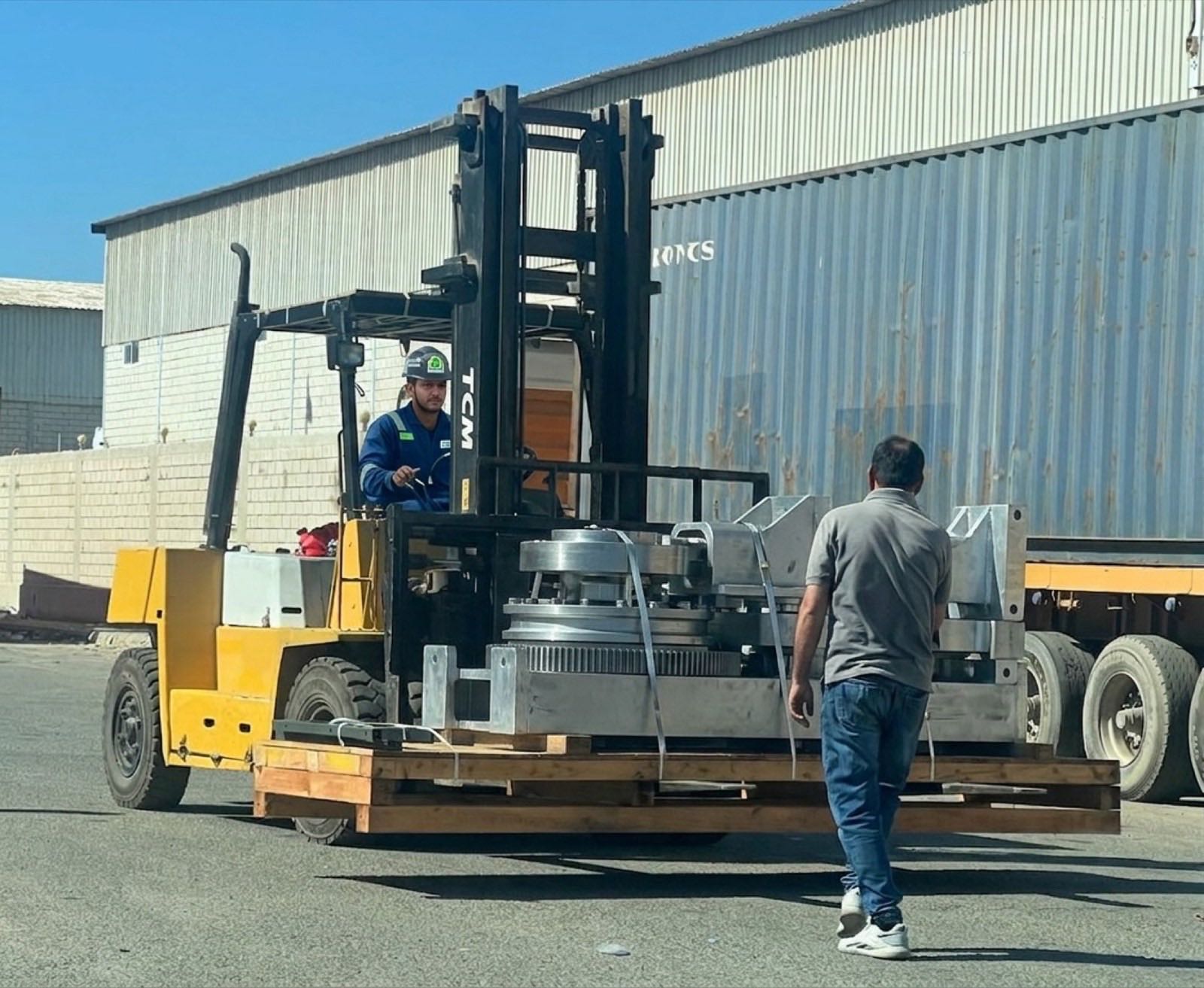
Equipment Rental
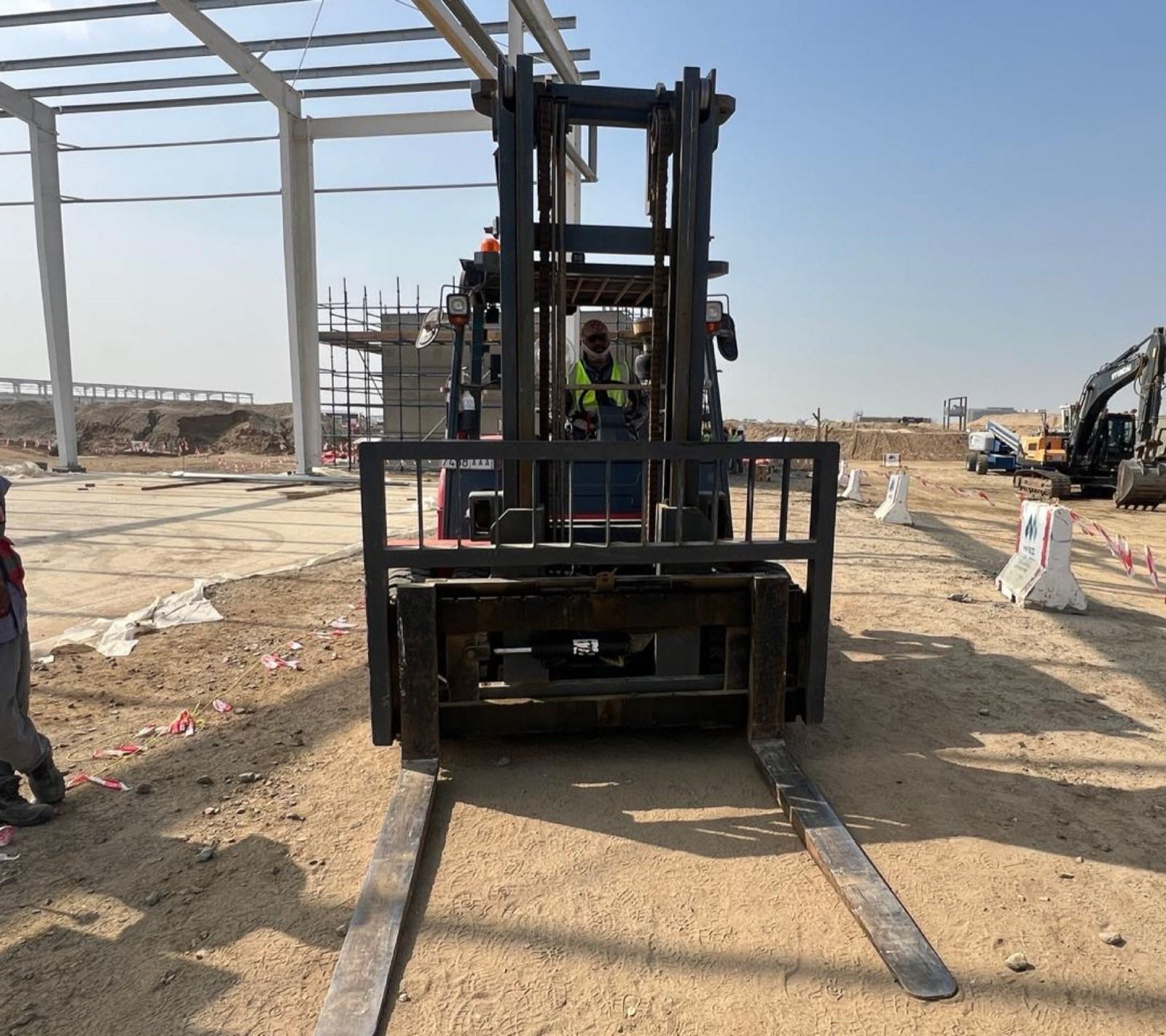
Forklifts, reach trucks and flatbed trailers on rental terms shaped around how your operation actually runs — serviced before they arrive and maintained for the length of the contract.
Read more
Integrated Equipment & Facility Support Services
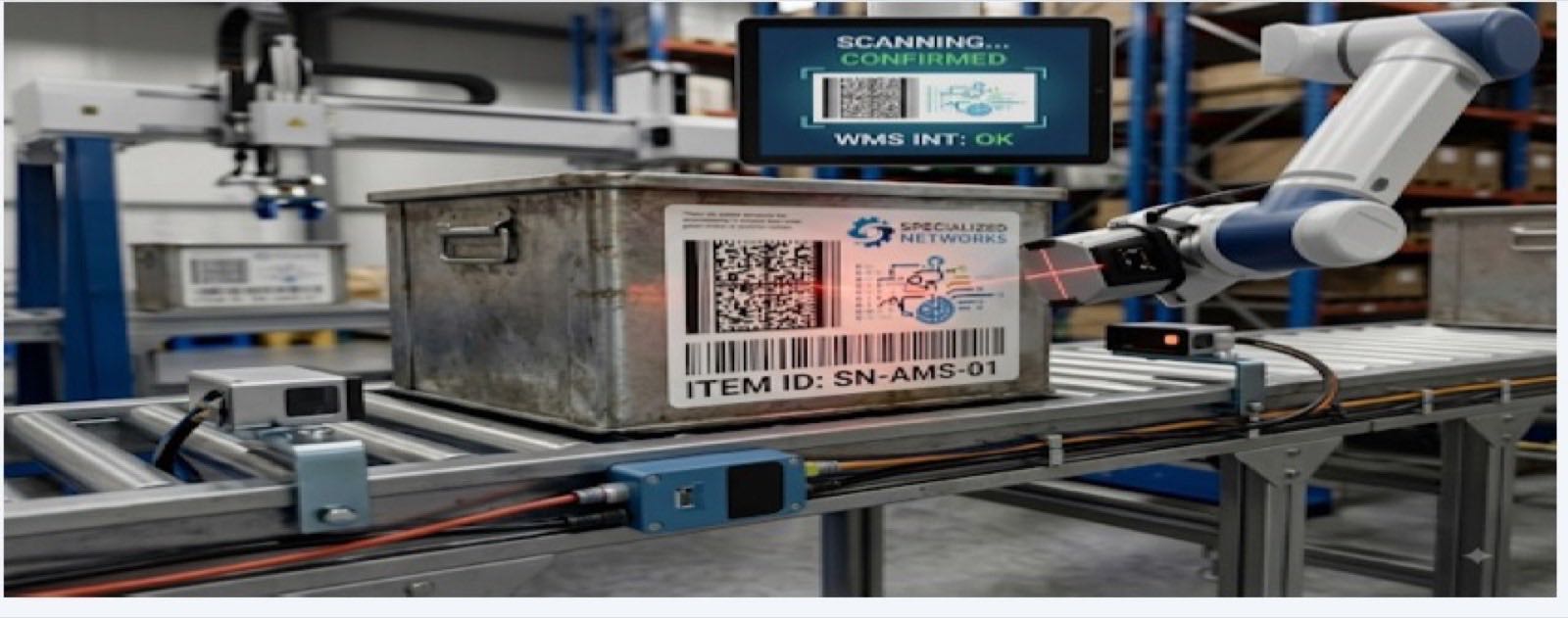
Most warehouses lose capacity and time in the same places: vertical space that racking does not reach, and inventory whose real position is known only to the person who last moved it.
We optimise both through smart warehouse automation — from automated storage and retrieval systems and conveyors through to real-time RFID and IoT tracking, integrated directly with your warehouse management system.
Whatever you run today, we can work with it. Where you already have a warehouse management system, the hardware is wired into it and stock position updates as goods move rather than at the next count. Where you have no system, or one too old to carry automation, we can supply and configure that as well — so the software is not a separate project you have to solve first.
Scope
Goods move through a warehouse in one direction. Automation pays where your particular bottleneck sits, so this follows that order rather than a product catalogue.
RFID
RFID is worth installing where counting by hand is the constraint. These are the applications that repay it fastest.
How it works. Portals at the dock doors read every tag on a pallet as the forklift drives through.
What it changes. No piece-counting. The shipment reconciles against the advance shipping notice in seconds rather than over an afternoon.
How it works. Tags on forklifts, picking carts, tooling and roll-cages report position continuously.
What it changes. Equipment shows on a live map, so utilisation is visible and nothing goes missing for a shift while somebody looks for it.
How it works. Antennas built into high-value racking and picking bins monitor what is resting on them.
What it changes. Replenishment triggers itself the moment stock crosses a threshold, instead of waiting for the next count.
How it works. A tag goes on the chassis or carrier tote at the start of the line, and fixed readers log it at each cell.
What it changes. Every unit carries its own build record, and conveyor switches route it to the next correct station automatically.
How it works. Readers on the forklift read tags in the floor tiles and rack faces as the operator approaches.
What it changes. The terminal flags a wrong pallet or wrong location before the load moves, which is the cheapest moment to catch it.
How it works. Overhead scanning zones at the shipping bays register every tag loaded onto a given trailer.
What it changes. A carton headed for the wrong truck raises an alarm at the door, so mis-ships are prevented rather than discovered by the customer.
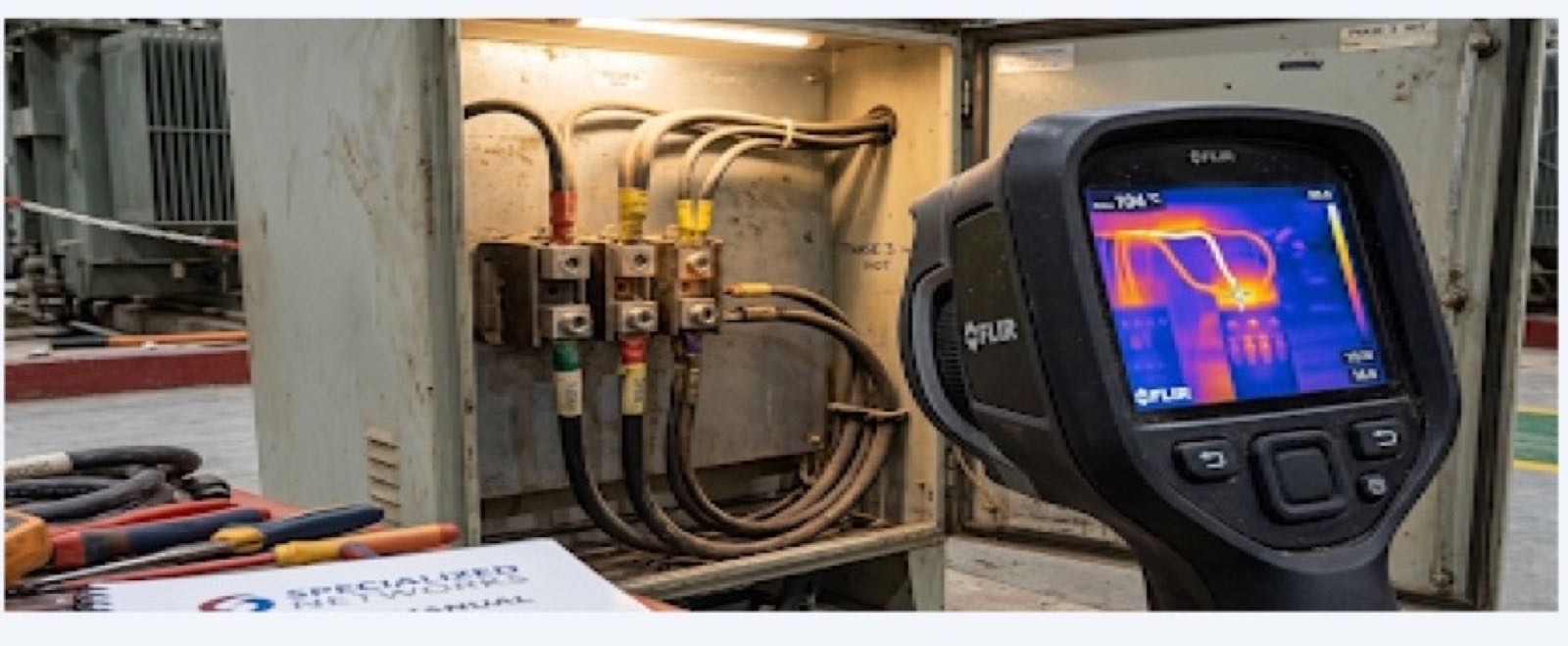
Equipment health monitoring is the same discipline as our inspection work, running continuously instead of periodically. Vibration and runtime data tell you a motor or gearbox is drifting; a thermal survey then shows you where the heat is going.
Because we also run the workshop, what the sensors find can go straight onto a maintenance schedule rather than into a report nobody actions.
Note
Automation is the one service here we will not put a price on before seeing the problem.
Throughput, rack geometry, floor loading, product mix and your existing software all change what is worth installing — and no two warehouses answer those the same way.
So start with a conversation. Tell us the building, the throughput you need and the system you run today, and we can say quickly whether automation is worth it for you and roughly what shape it would take. If it looks worth pursuing, we visit the site and follow up with a written scope — a specification you can compare against other bids, rather than a number with nothing behind it.
Tell us the building, the throughput you need and the system you run today, and we will tell you whether it is worth doing before anyone visits.
Forklifts, reach trucks and flatbed trailers on rental terms shaped around how your operation actually runs — serviced before they arrive and maintained for the length of the contract.
Read more
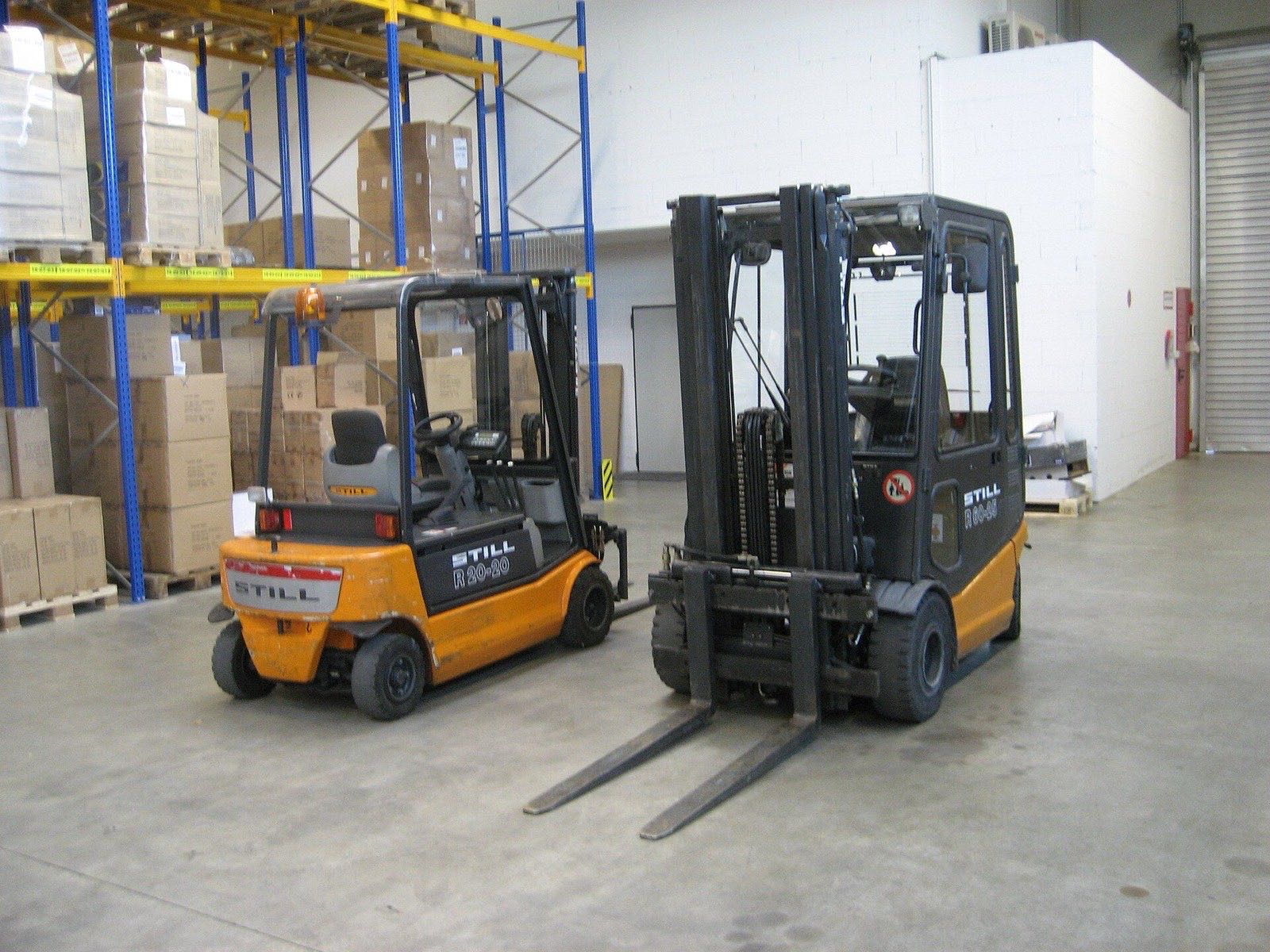
A dedicated workshop with technicians trained across Yale, Toyota, Heli and Hyster. Annual Maintenance Contracts planned around your shift patterns, and breakdown response when something still goes wrong.
Read more
Non-contact infrared inspection of electrical and mechanical assets, carried out while your systems run under normal load. You receive a report with thermograms, temperature data and ranked repair priorities.
Read more
Earth resistance and soil resistivity measurement using recognised methods, referenced against IEEE and IEC limits — the documentation auditors, insurers and ISO certification ask for.
Read more